
Cairnspring Mills
Project Description
Client: Cairnspring Mills
Facility Type: Flour Mill Processing Facility
Location: Pendleton, Oregon
Building Growth with Purpose
Delivering a flour mill designed to serve generations to come
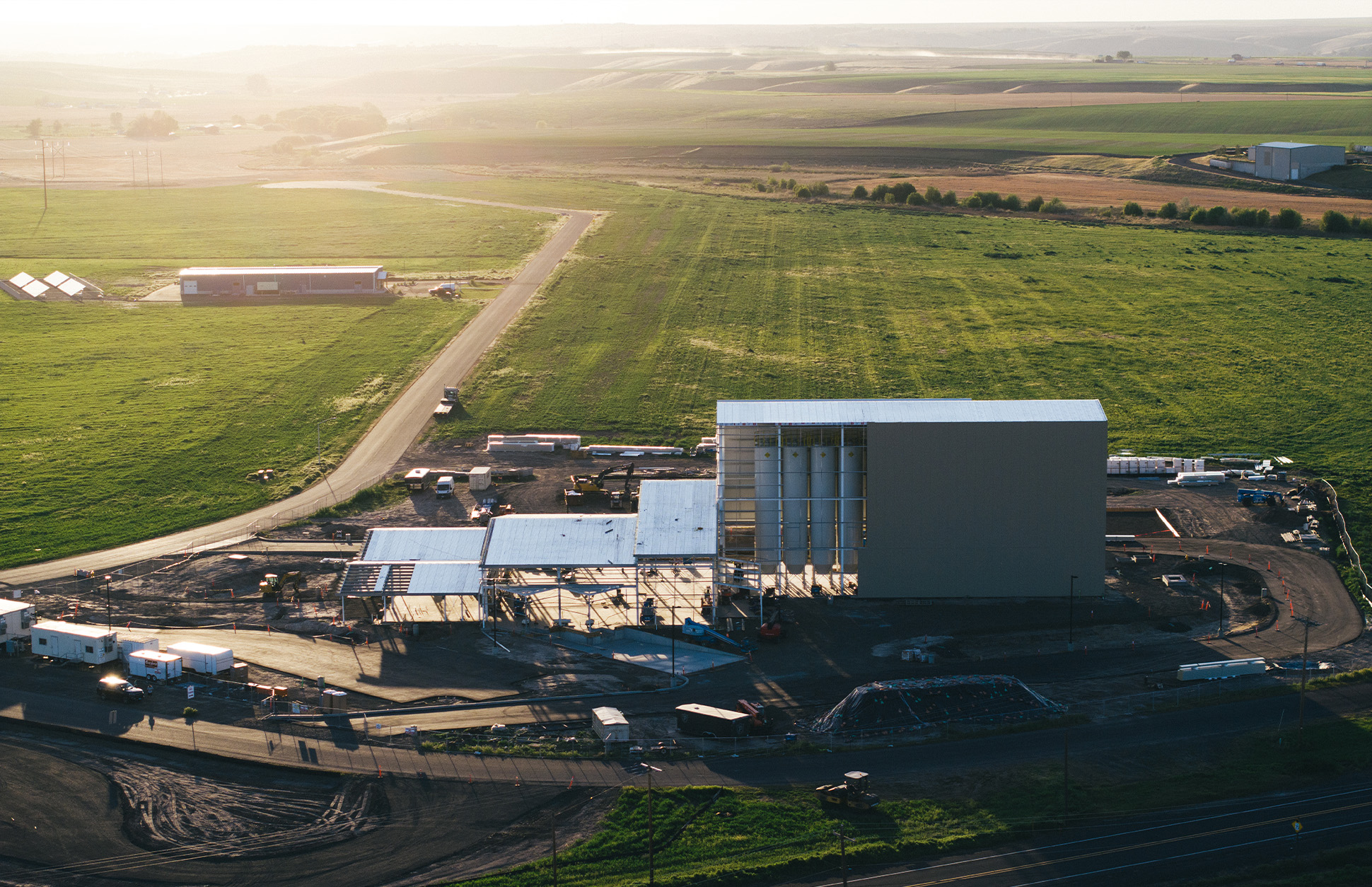
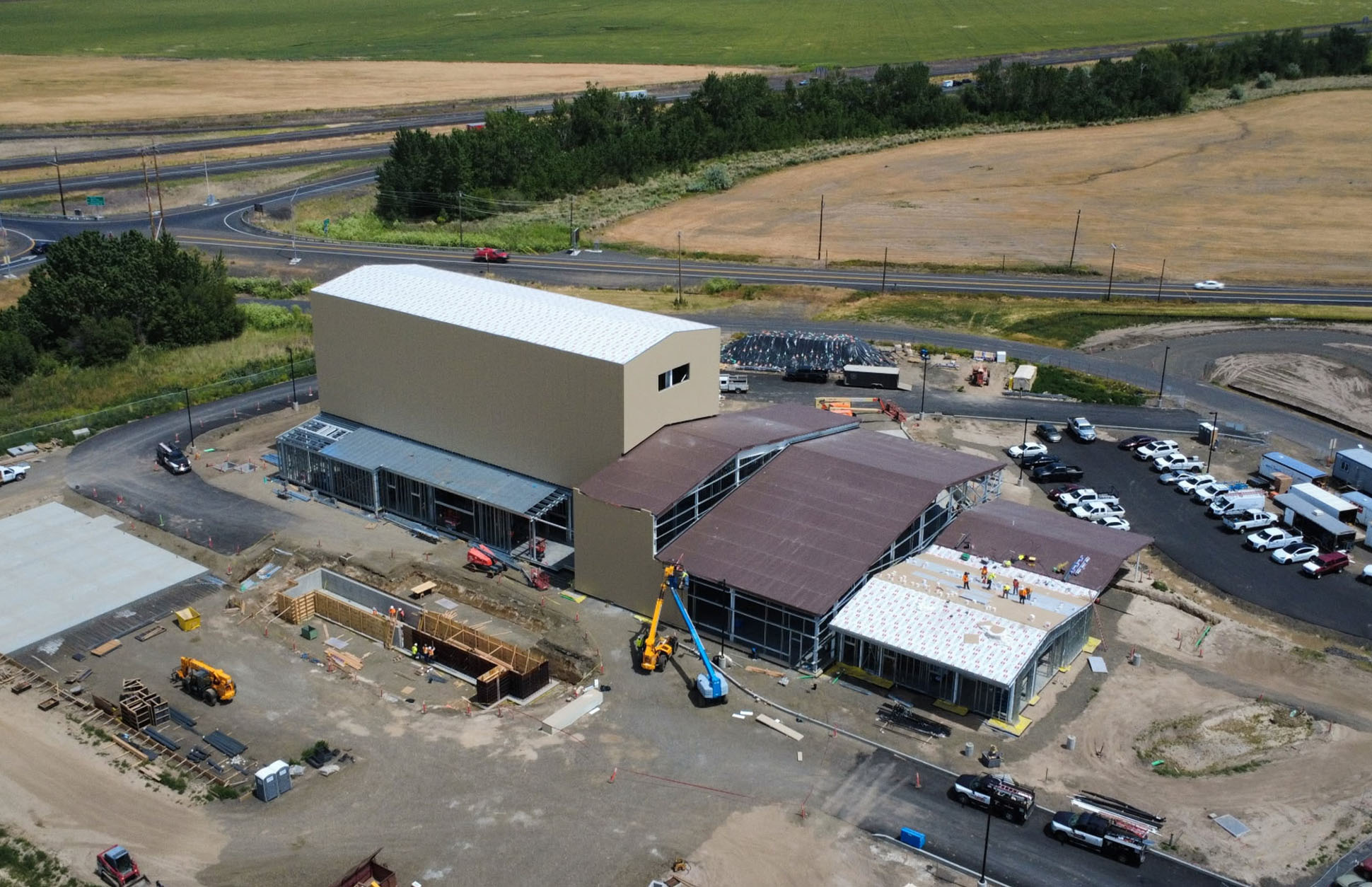
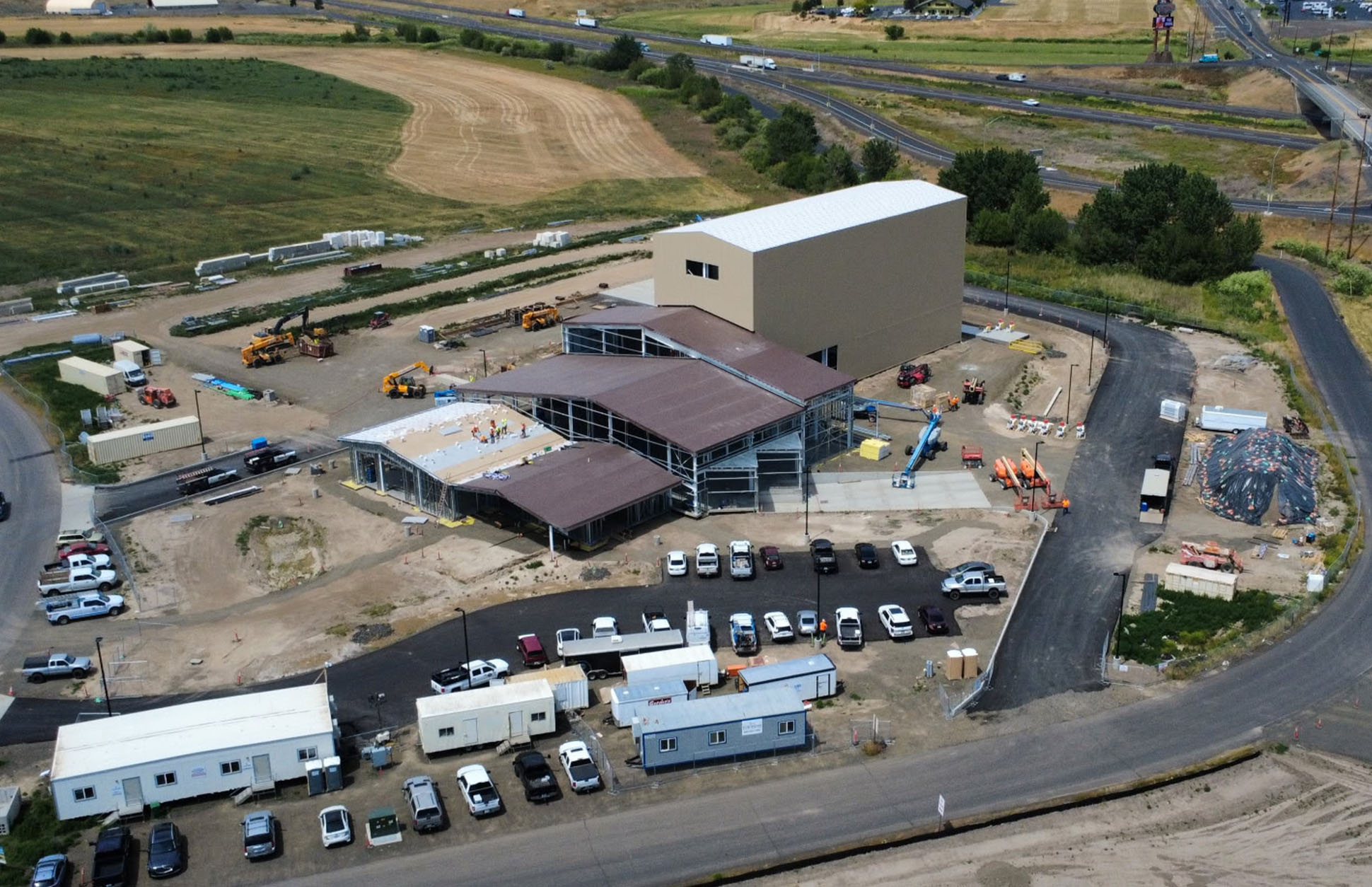
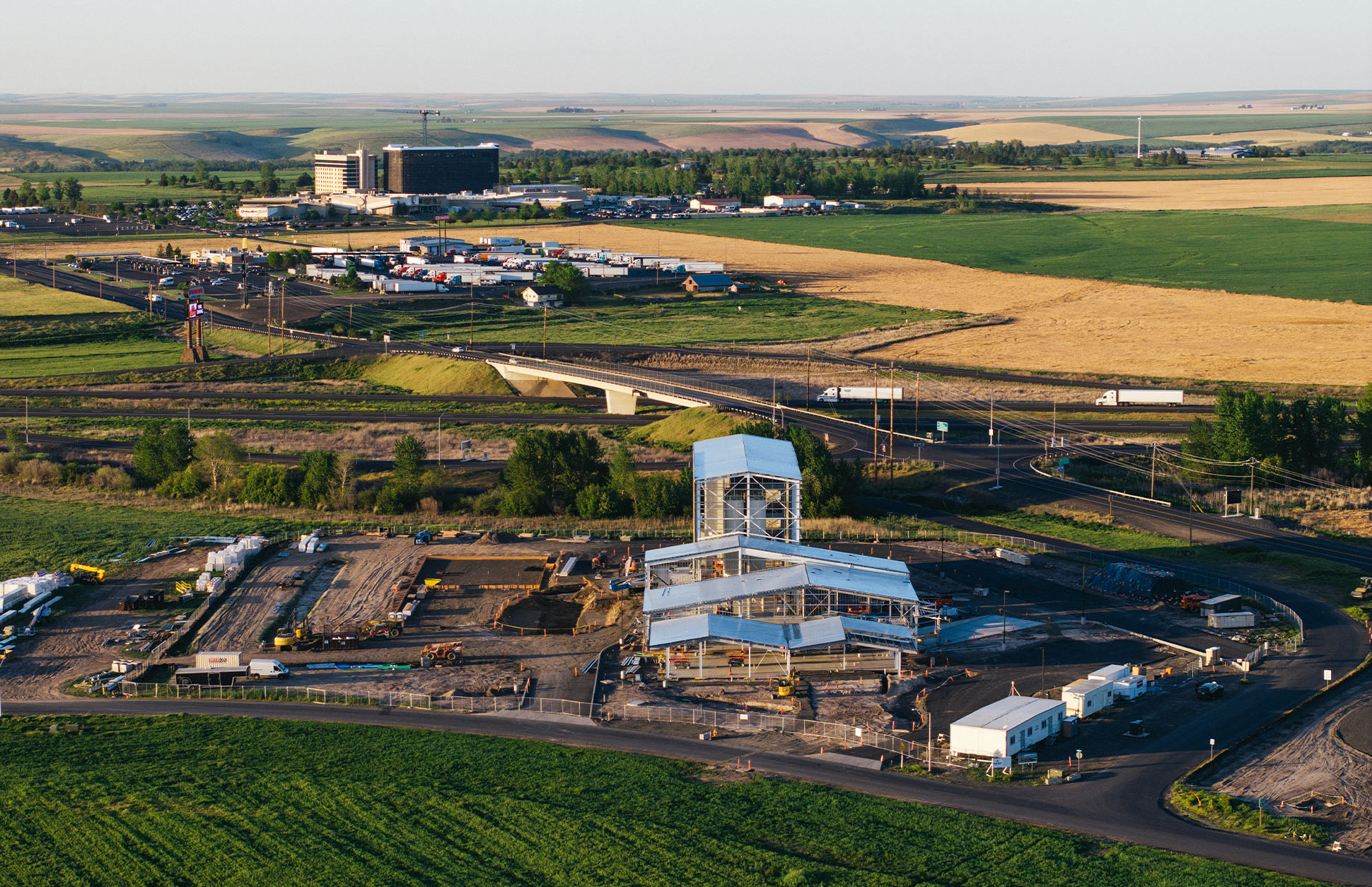
Set on a 7-acre site, this flour milling facility was designed from the ground up to bring together high-capacity production, efficient material flow, and long-term scalability. As with many greenfield industrial projects, the team encountered significant site challenges early in construction. Existing soils were found to be unsuitable for the heavy truck traffic and equipment required for daily operations. To ensure long-term stability, approximately 800+ geopiers were installed to support the building and granary foundations.
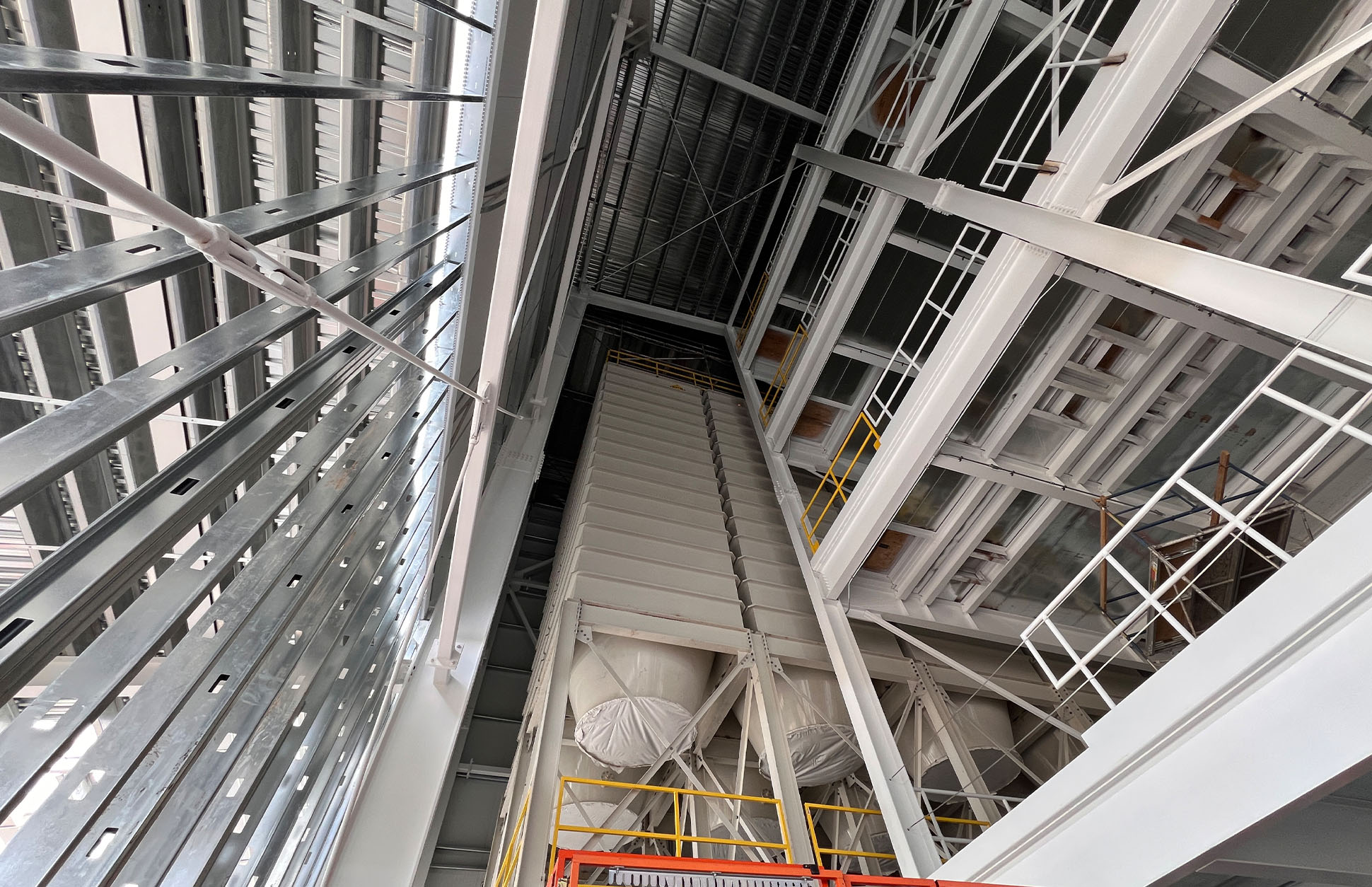
At the center of the site rises the mill—a 73-foot-tall structure purpose-built to house a 5-story arrangement of milling equipment. Designed for continuous operation, the mill runs around the clock, seven days a week, and is capable of producing up to 6 metric tons of flour per hour.
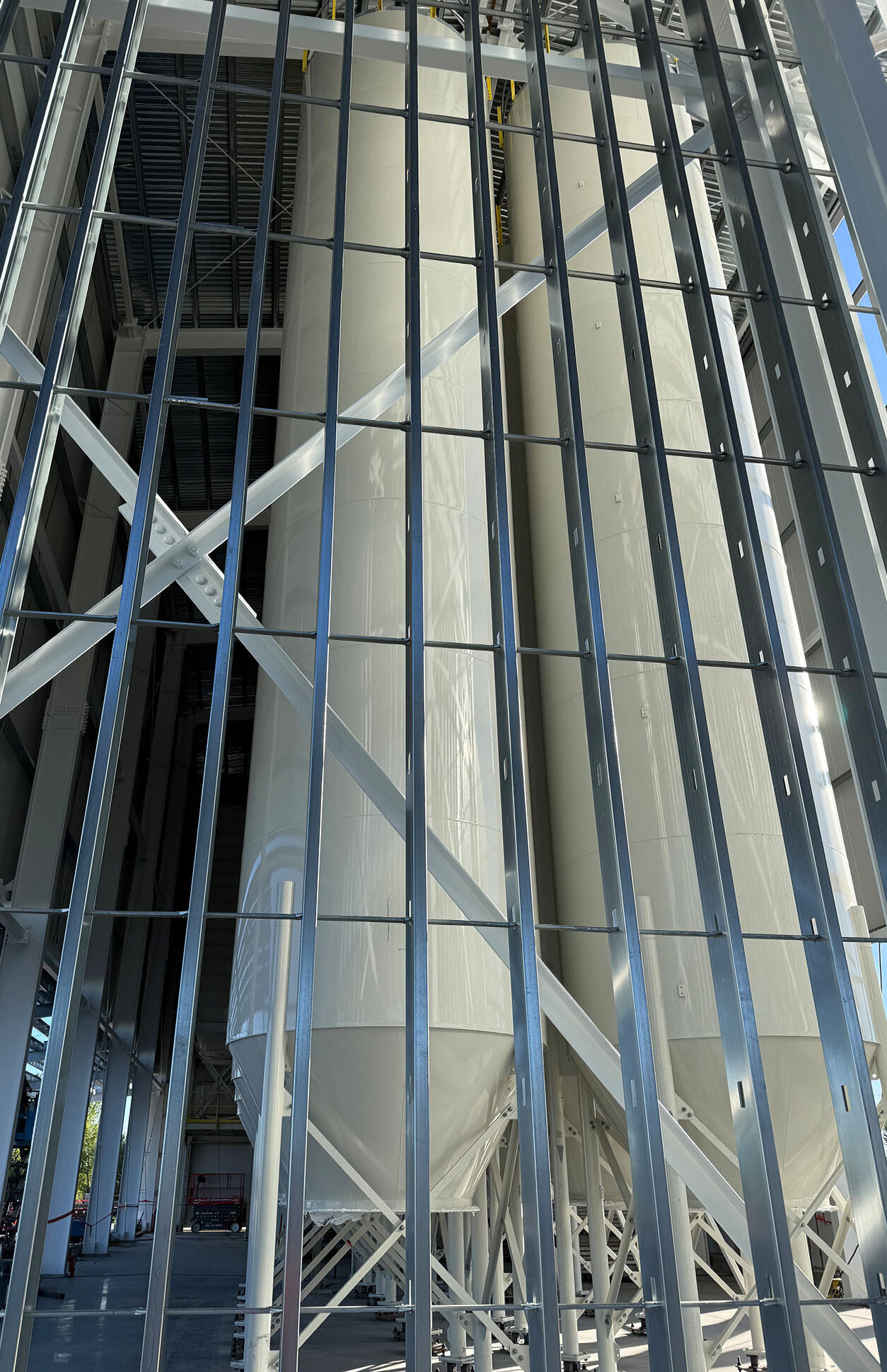
The team utilized strategic leave-outs in both the roof and wall systems of the mill to allow the 58-foot-tall tanks to be flown into place by crane after the structure was erected. Its vertical configuration allows gravity-assisted material flow, optimizing efficiency. The granary system for raw material storage and handling includes 6 steel silos constructed as part of the initial phase, with infrastructure in place to expand to 24 silos as demand grows. Towering above the site, a 147’ tall grain elevator, along with an interconnected system of conveyance equipment, catwalks, and dust collection, ensures efficient and safe movement of grain from receiving through processing.
Adjacent to the mill, the warehouse anchors the facility’s packaging and distribution operations. The space is outfitted with a fully integrated packaging line, including large-format and retail packers and automated palletizing systems.
Beyond construction, the project placed a strong emphasis on community engagement and workforce participation with Indian-Owned Businesses through coordination with Tribal Employment Rights Office (TERO). The team exceeded initial local hiring goals, demonstrating a meaningful commitment to supporting the local community and contributing to the regional workforce.