
LAMB WESTON
Project Description
Client: Lamb Weston
Facility Type: Low Rate Anaerobic Digester
Location: Richland, Washington
Fast Facts
- 3.4 million gallon per day capacity Low Rate Anaerobic digester
- Bio-gas building and flare
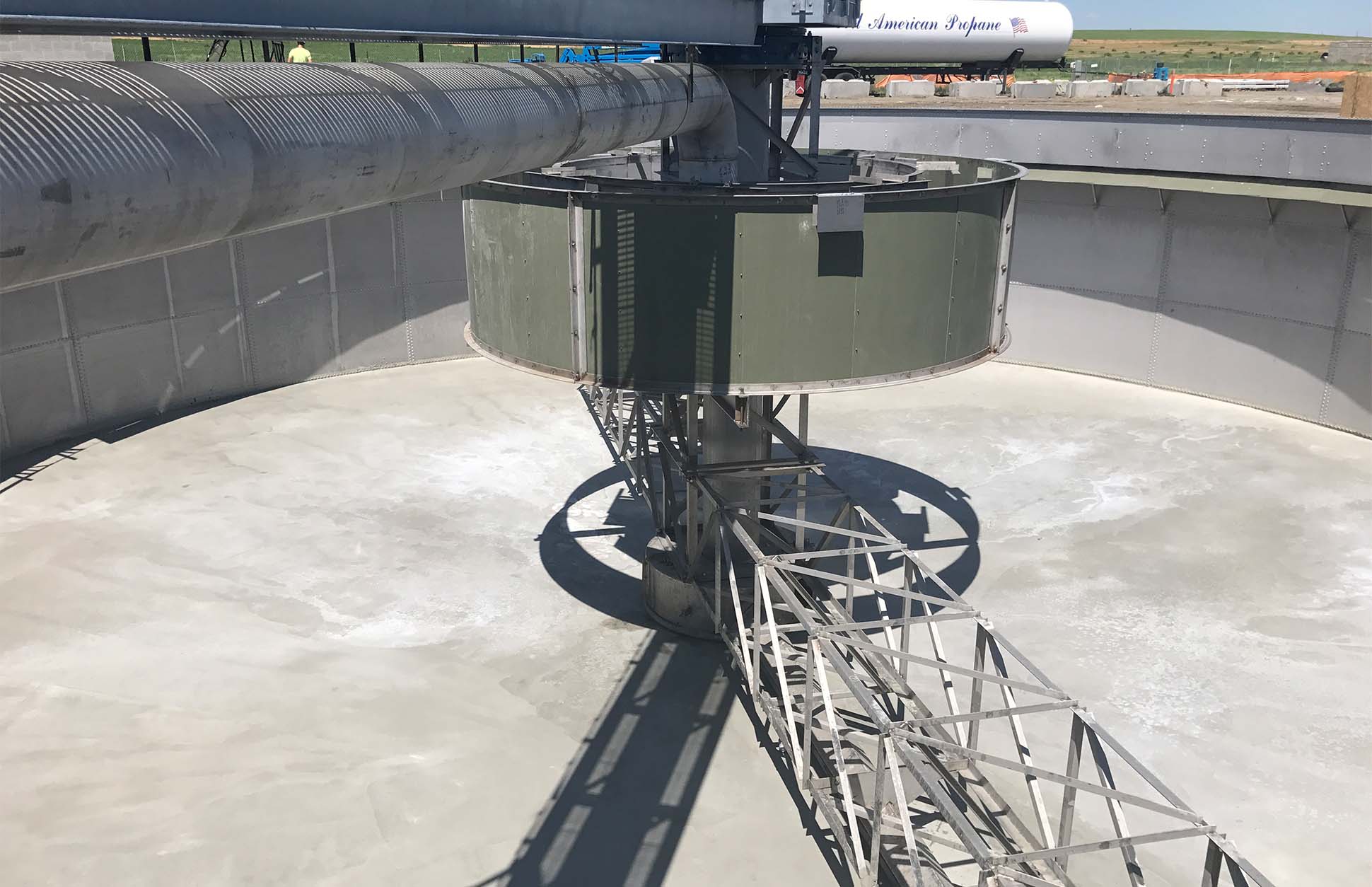
- (2) 80’ Diameter clarifiers
- Screening tower
- Oxidation ditch
- DAF unit
- Belt press for sludge
- Equalization tank
- Sand filer and Sand filter building
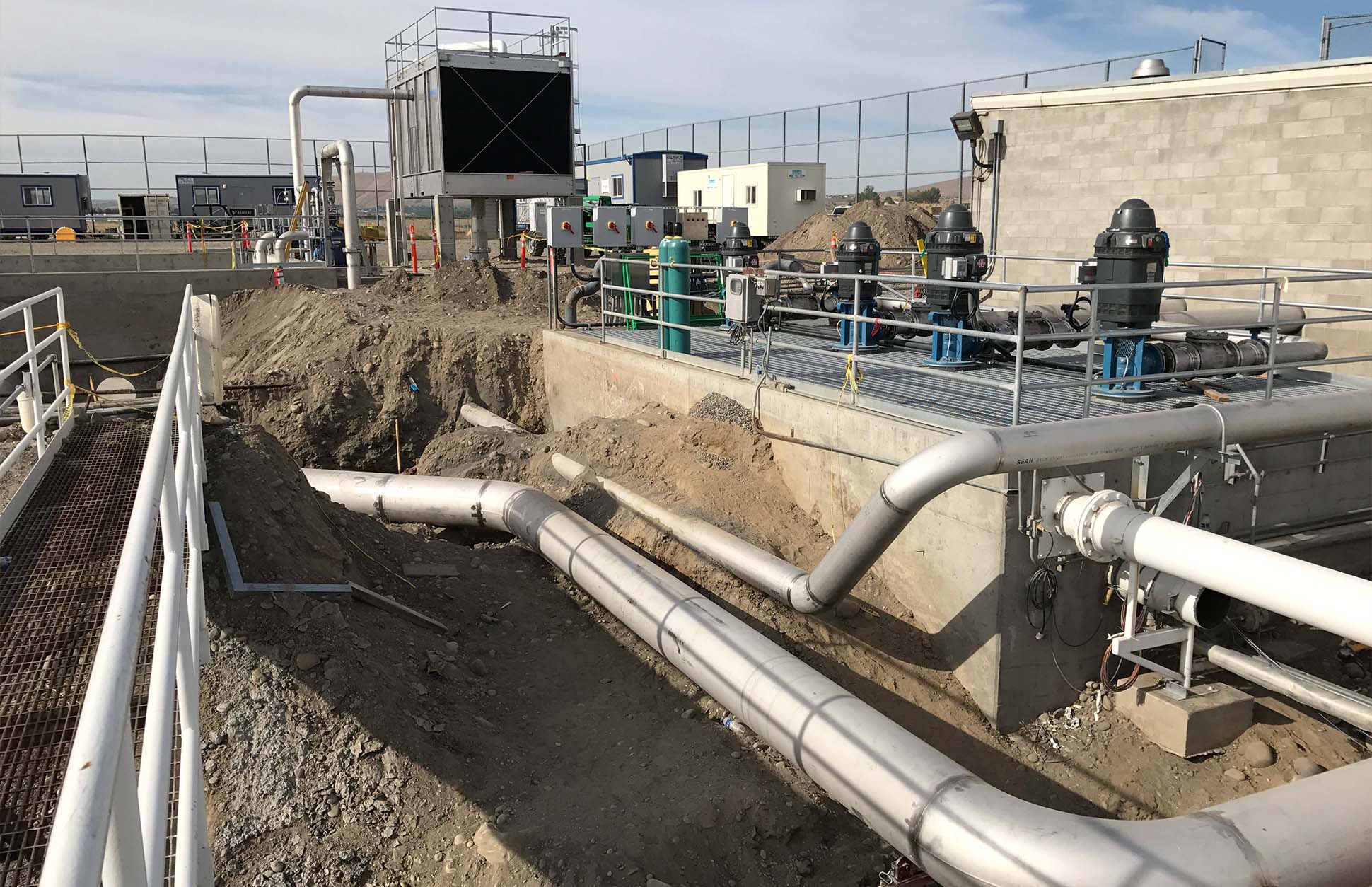
- Cooling tower
- Ability to discharge directly to river, land apply, an city sewer
- Process 1.5 million gallons a day
Delivering One of Lamb Weston’s
Most Successful Facility Launches to Date
Drawing on best practices developed through years of designing and constructing processing facilities for Lamb Weston in Louisiana, Oregon, and Washington, Fisher’s integrated AEC team brought together innovative design, efficient construction methodologies, and deep food processing expertise to deliver a plant like no other.
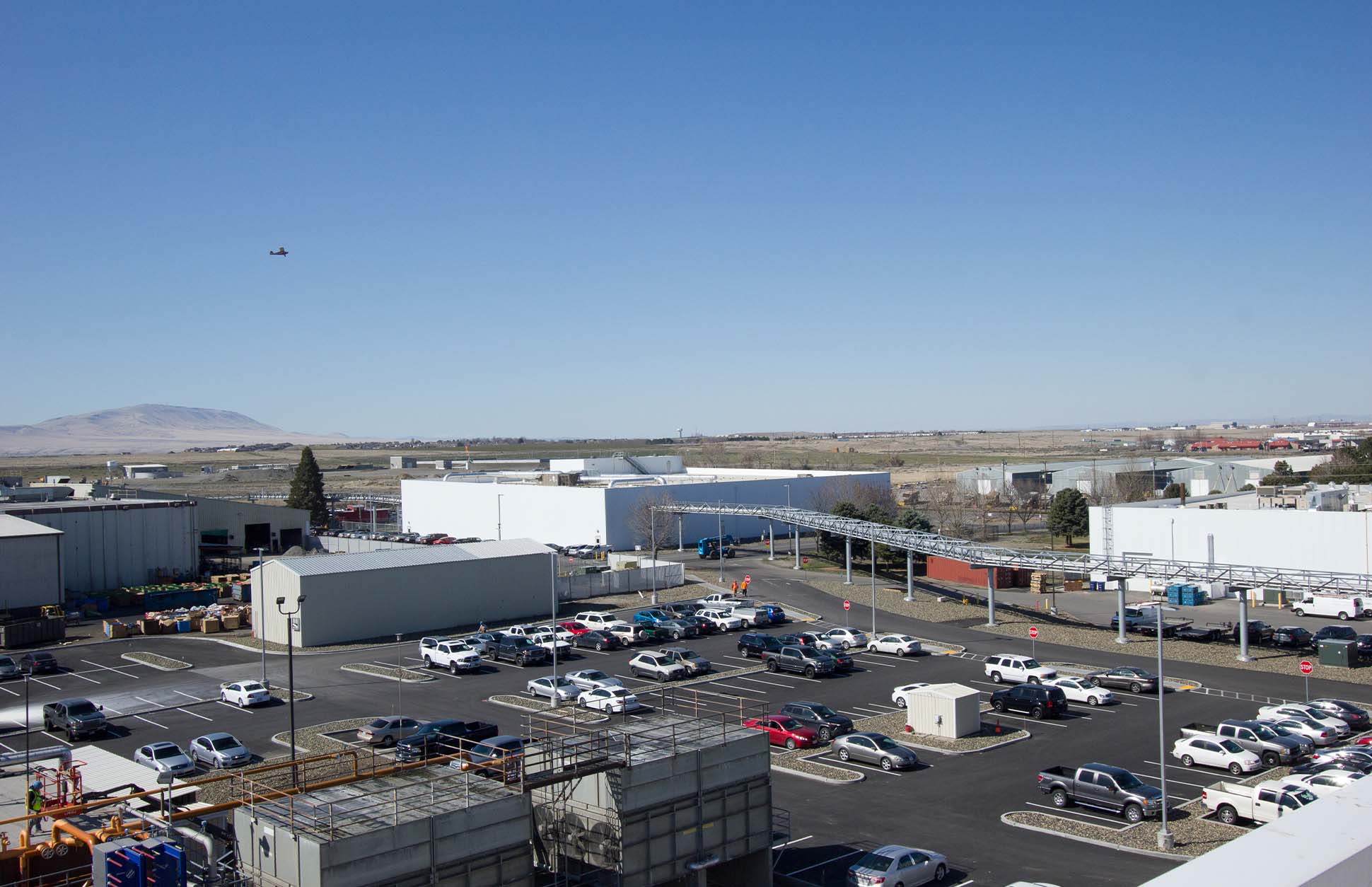
The project was truly three major projects in one: a new 250,454 sq. ft. state-of-the-art processing facility; a 43,000 sq. ft. raw receiving building; and a significant expansion of the site’s wastewater treatment plant, which supports the entire processing campus.
The expanded facilities were designed to increase production capacity, streamline material flow, and enhance energy and water efficiency while meeting Lamb Weston’s stringent food safety and sustainability standards.
To support the higher processing throughput, Fisher partnered with the Stover Group to upgrade the wastewater treatment for the entire site.
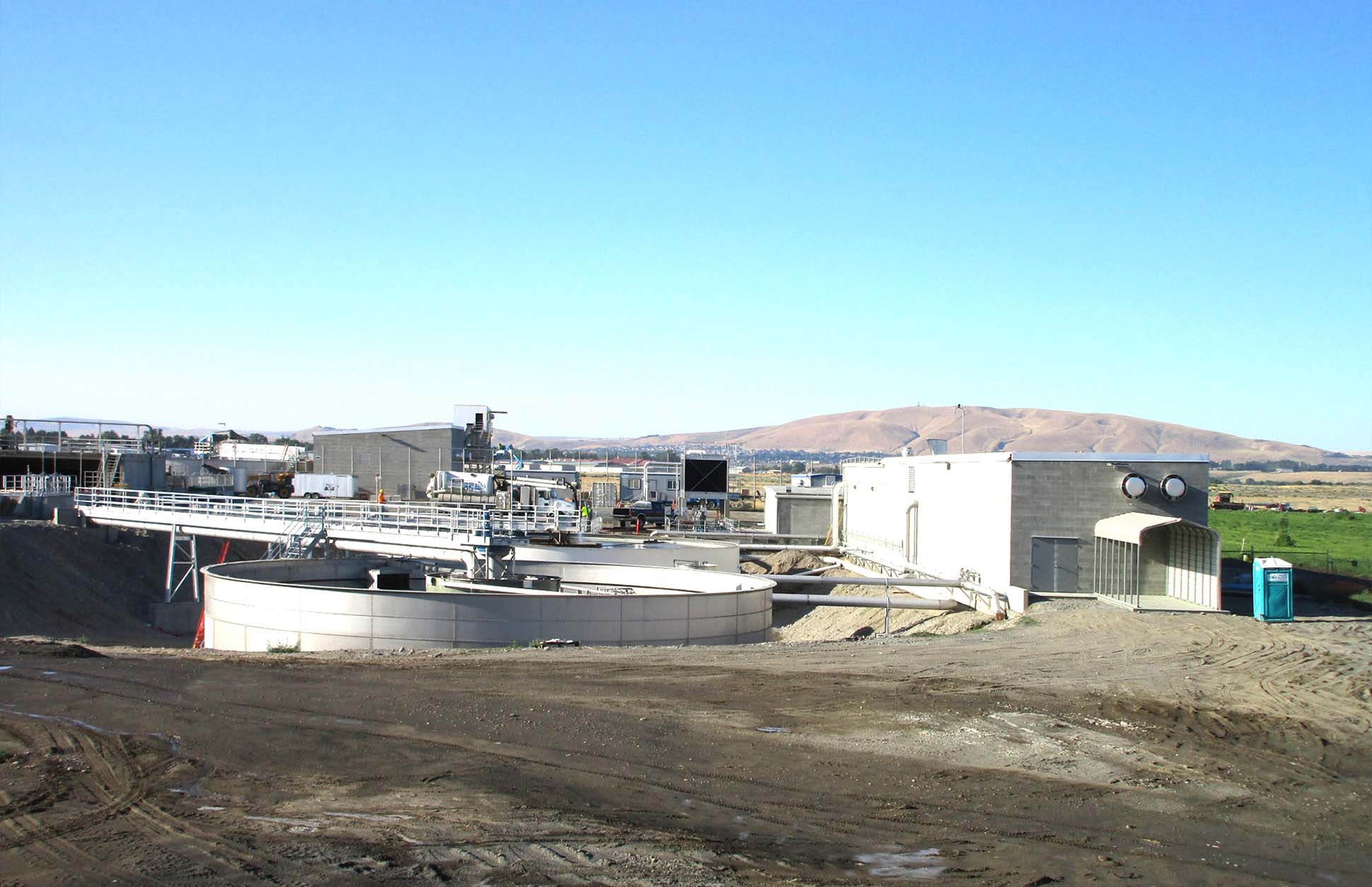
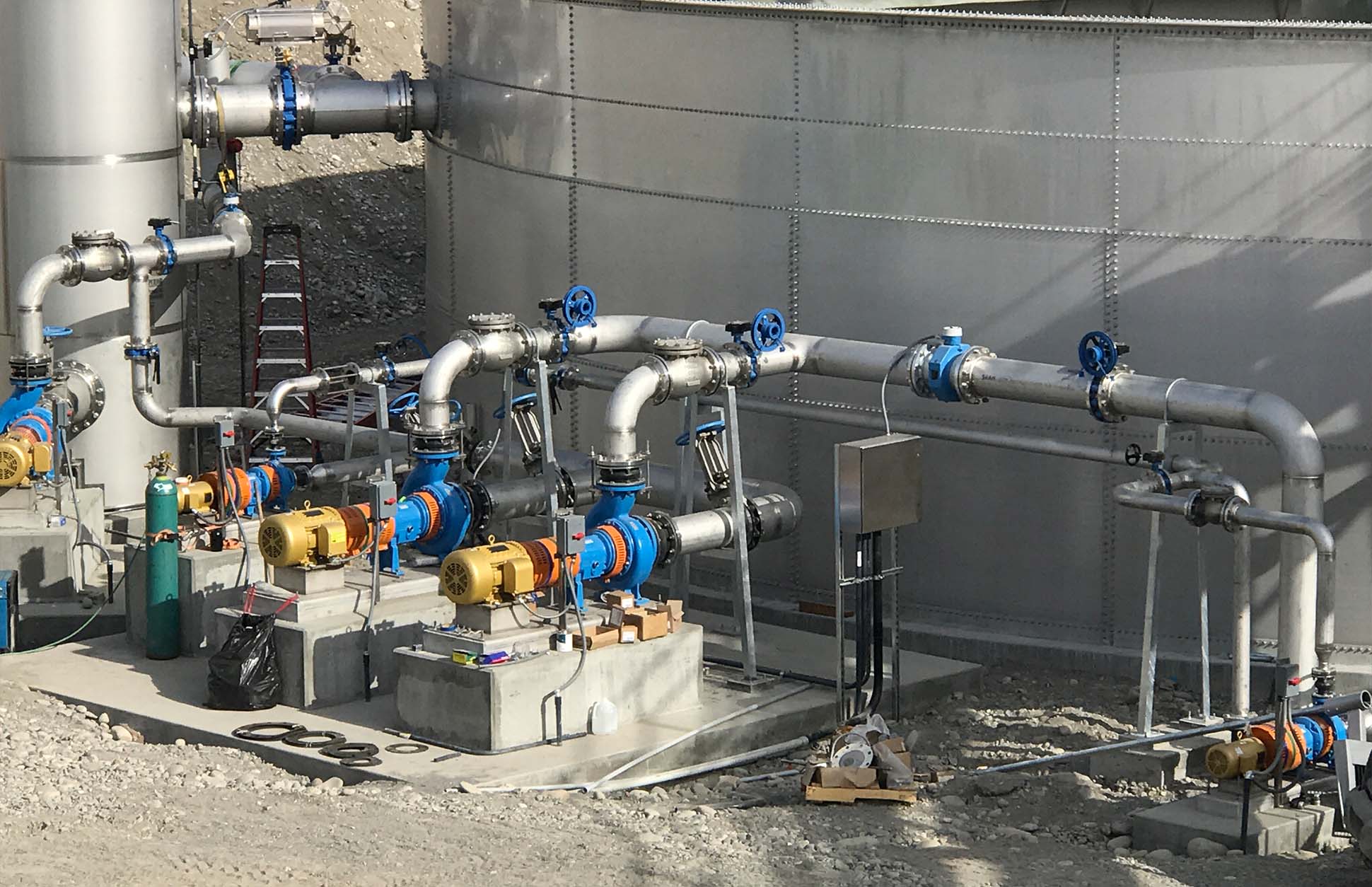
The wastewater expansion included installation of a new anaerobic digester capable of treating up to 3.4 million gallons per day, significantly improving the plant’s waste-to-energy recovery capabilities. The system was further enhanced with the addition of two 80-foot diameter clarifiers to improve solids separation and water clarity, a new screening tower for pre-treatment, and a large oxidation ditch to support aerobic treatment processes. Additional components included a Dissolved Air Flotation (DAF) unit for fine solids removal, a belt press system for efficient sludge dewatering, and a sand filtration unit to polish the final effluent.
These comprehensive infrastructure improvements not only increased the facility’s treatment capacity but also enhanced environmental performance and long-term sustainability. Through thoughtful planning, coordination, and execution, Fisher delivered a complex, high-performing facility that continues to set the standard for modern food processing and campus-scale utility integration.